
Great Big Green Week: A million actions for people, climate and nature
While leaders meet at COP30 to shape global commitments, communities across the UK are quietly building the future those promises depend on. Helen Meech explores how the collective action of Great Big Green Week reflects the same spirit of cooperation and shared purpose the world now needs.
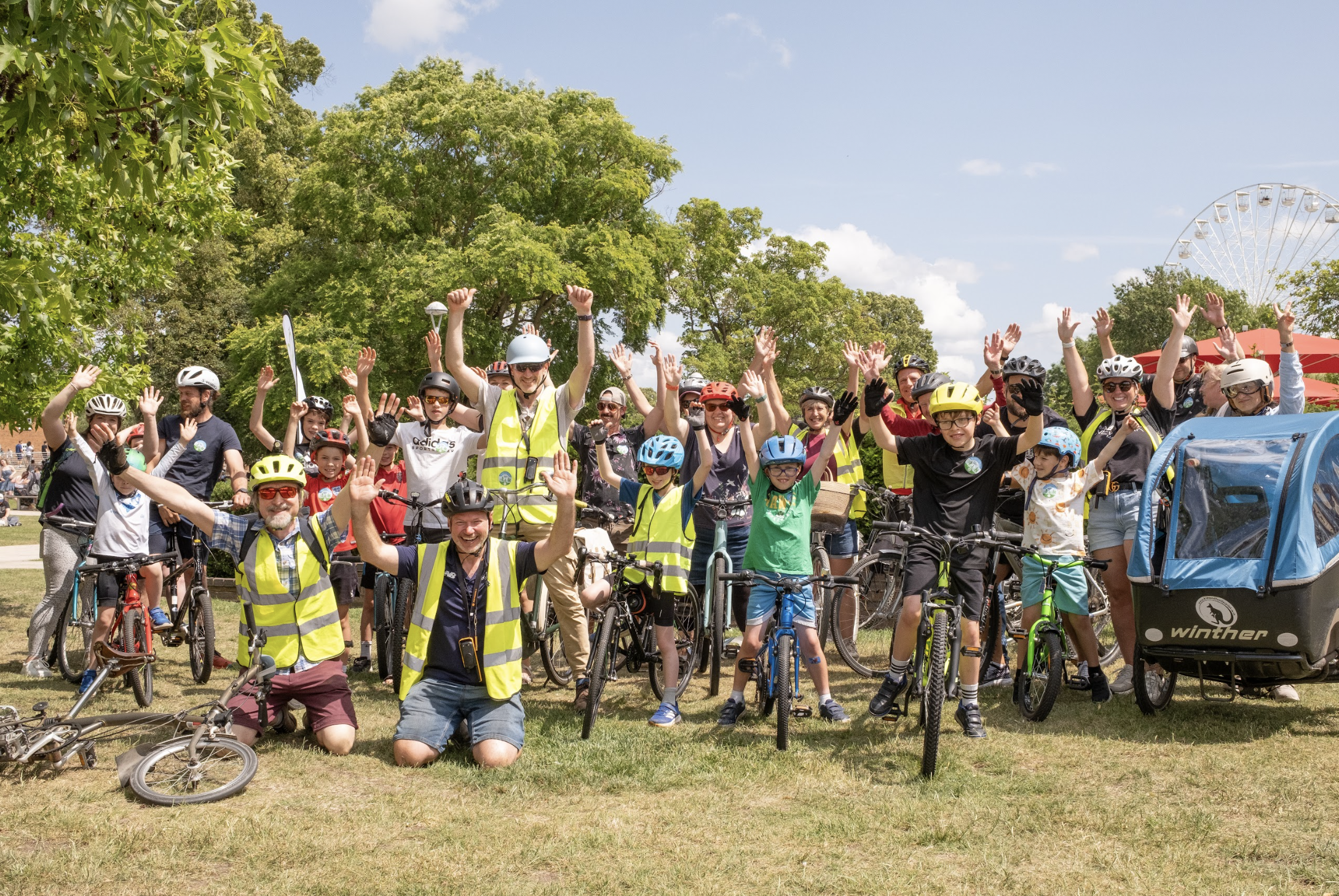 A Great Big Green Week group bike ride exploring traffic-free Stratford for all ages and abilities; Image credit: Credit: @netzerostratford @SAUClimate @stratfordclimateaction
Across the UK this summer, communities came together to swap, share and act for a greener future in a powerful moment of collective action for people, climate and nature. In London, neighbours planted bulbs in an urban park. In Cumbria, volunteers ran drop-in sessions on home heating. In St Albans, cooks shared ways to turn leftovers into nourishing meals. And online, farmers in Scotland and Uganda exchanged ideas about regenerative growing.
These aren’t isolated acts of goodwill - they’re part of a growing movement for collective climate action. Great Big Green Week 2025 saw more than 1.2 million people take part - triple the number since 2023 - showing that when people connect around shared values, they can make change that ripples far beyond one week.
At its heart, Great Big Green Week is about communities working together to reshape the systems we all depend on - from food and energy to how we care for each other and the places we live. This is what real climate action looks like: practical, hopeful, community-powered, and deeply connected to people’s everyday lives.
Our 2025 theme - Let’s Swap Together for Good - captured that spirit. Swapping wasn’t just about books, clothes or skills; it was about swapping mindsets - from isolation to collaboration, from small fixes to collective solutions. Because lasting change happens when people act together.
Community action unites where politics divides
Local initiatives are showing that climate action works best when it’s woven into community life - building connection, not conflict. Community action is where trust grows, understanding deepens and participation begins. Research by Climate Outreach shows that most people across the UK (74%) care deeply about climate and nature - and are most inspired by stories of belonging, fairness and shared progress. When action feels close to home and connected to everyday life, people want to be part of it.
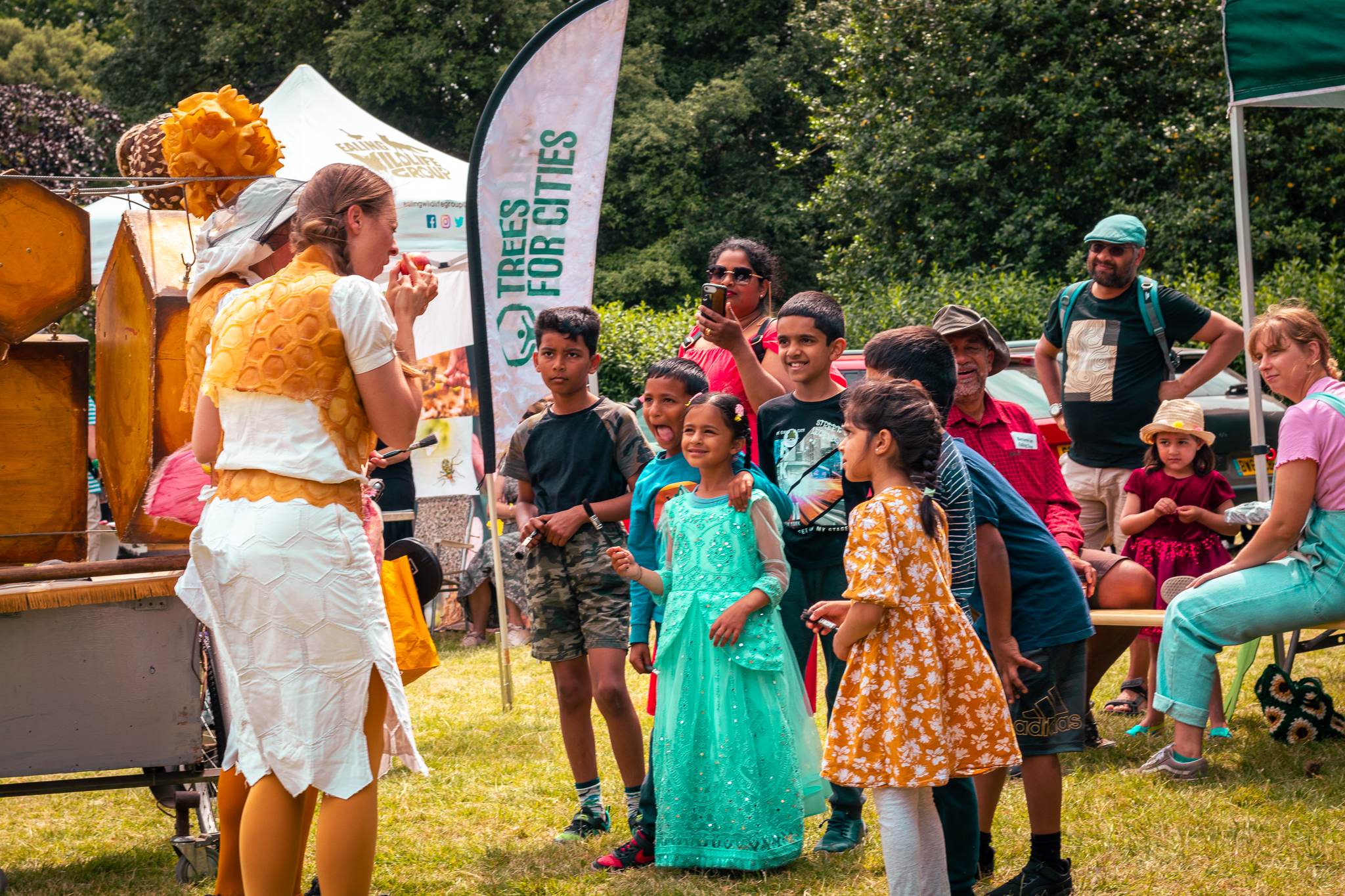 Ealing Tree Festival in Great Big Green Week; Credit: Trees for Cities
That’s what Great Big Green Week is all about. We meet people where they are, helping communities create events that speak to their priorities - from family-friendly activities for parents who want a greener world for their children, to advice sessions supporting those facing the cost-of-living crisis. These aren’t branded as “climate events,” yet they’re at the heart of climate action - because they strengthen the social fabric that makes bigger change possible.
Our independent evaluation confirmed this approach works. It found that Great Big Green Week’s “non-party-political positioning and avoidance of ‘net zero’ language appeared to insulate partners from increasing polarisation over climate action.” In other words: when climate action is rooted in community, it unites rather than divides.
The power of community
It’s fitting that one of the overarching themes of COP30 will be the idea of a global mutirão - a term from Tupi-Guarani languages meaning “collective effort for the common good.” Its adoption by the Brazilian COP Presidency is a recognition that tackling the climate crisis is, at heart, a shared project: no single government, organisation or technology can succeed alone.
That’s what Great Big Green Week embodies here in the UK - a mutirão in action. It brings together thousands of groups and millions of people, each contributing in their own way to re-weaving the social and ecological systems we rely on. The belief that drives it - that we are part of nature, and that our wellbeing depends on caring for one another and the planet - is one long held by Indigenous communities around the world. These values are now shaping global science and policy conversations because they work: they’re rooted in reciprocity, respect and collective responsibility.
Yet, too often, those communities with the deepest knowledge of how to protect the planet are excluded from decision-making. At Great Big Green Week, we’re working to change that. We already bring together people across political, faith and cultural divides, providing an antidote to the polarisation that has held progress back. And we know we have further to go in ensuring that communities from the Global Majority are fully represented, supported and celebrated - a priority for the years ahead.
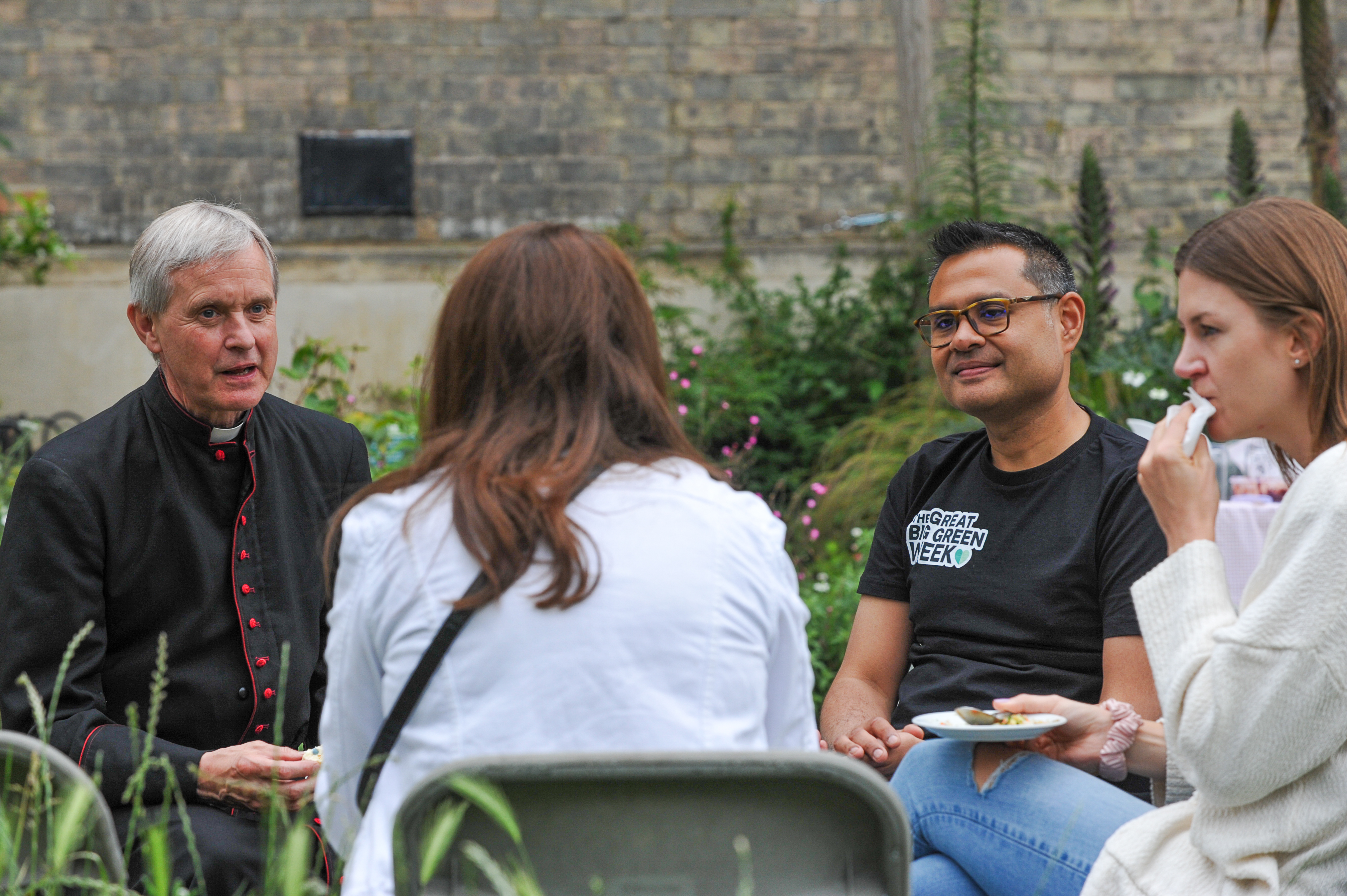 An interfaith picnic during Great Big Green Week; Credit: Michael Preston (Quakers)
Together for Good
All of this gives us confidence for what comes next. Community action isn’t the “soft” side of climate work - it’s the foundation of systems change. It builds the relationships, skills and shared purpose that make policy shifts and economic transformation possible.
That’s why, as we look ahead to Great Big Green Week 2026, our theme Together for Good will continue to celebrate and strengthen this collective power. Because when communities come together, they create not only hope - but the systems, culture and momentum to turn that hope into lasting change.